How the Audio Codec Controls Microphone, Earpiece, Speaker, and Vibrator Circuits in Mobile Phones

The audio codec is one of the most critical integrated circuits in a mobile phone. It is responsible for managing, processing, converting, and distributing all sound-related signals within the device. Every audio function—voice calls, ringtones, loudspeaker output, and vibration alerts—depends on the proper operation of the audio codec.
What Is an Audio Codec in a Mobile Phone?
An audio codec is a specialized circuit that performs both analog-to-digital (ADC) and digital-to-analog (DAC) signal conversions. In simple terms, it acts as an intelligent audio controller that amplifies, mixes, filters, and routes sound signals between different audio components.
The codec ensures that sound signals are clean, properly amplified, and synchronized with radio and baseband processing during communication.
Audio Signal Processing During a Phone Call

Microphone to Network (Uplink Path)
When a user speaks into the microphone (mouthpiece), the sound waves are first converted into a low-level electrical signal. This signal is then sent to the audio codec, where it is amplified and filtered to remove noise and interference.
After processing, the codec converts the analog signal into digital data and forwards it to the baseband processor. The baseband then modulates the data into radio-frequency signals, which are transmitted through the RF circuit and antenna to the cellular network.
Network to Earpiece (Downlink Path)
Incoming radio-frequency signals from the network are received by the RF circuit and passed to the baseband processor. The digital voice data is then sent to the audio codec, where it is converted back into an analog audio signal.
The codec amplifies the signal and routes it to the earpiece speaker, allowing the user to hear the caller clearly.
Audio Codec Control of Earpiece and IHF Speaker
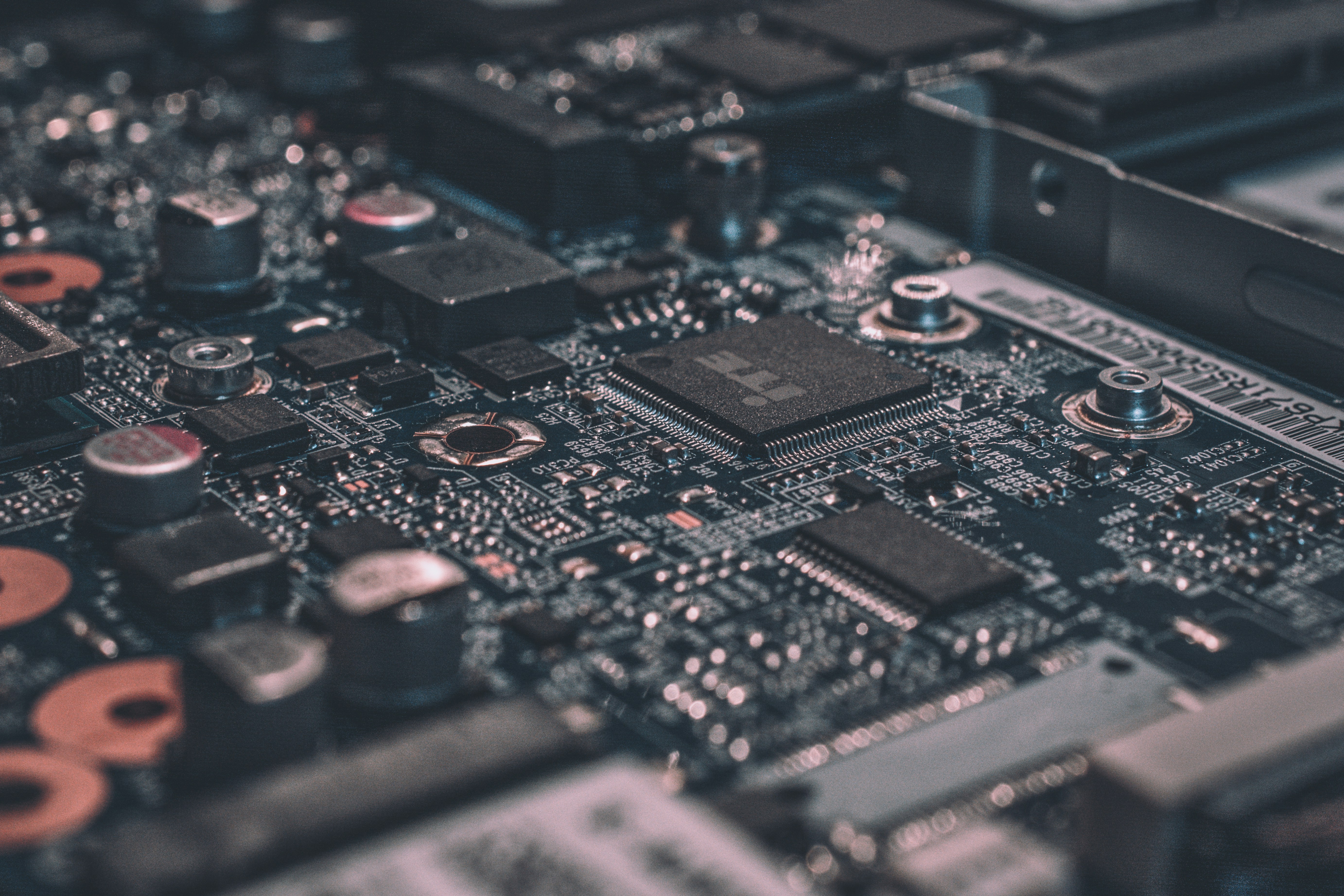
Earpiece Speaker Control
The earpiece speaker is driven by a low-power amplifier inside or near the audio codec. The codec regulates volume levels, impedance matching, and signal balance to ensure clear call audio without distortion.
IHF Speaker or Buzzer Control
The IHF (Integrated Hands-Free) speaker, also known as the loudspeaker or buzzer, requires higher power output than the earpiece. The audio codec manages this by enabling a higher-gain amplifier stage or external amplifier circuitry.
Ringtones, media audio, and notification sounds are all routed through the audio codec before reaching the IHF speaker.
Vibrator Motor and the Audio Codec

Although the vibrator motor does not produce sound directly, it is still controlled by the audio management system. The audio codec or power management IC triggers the vibrator during incoming calls, messages, or alerts.
The vibration creates mechanical movement that generates audible feedback, which is why it is logically grouped within the phone’s audio subsystem.
Audio Codec Block Diagram Overview

In a typical audio codec block diagram, all audio interfaces—including the microphone, earpiece, IHF speaker, headset, and vibrator—connect directly or indirectly to the codec. Each path includes filtering components such as EMI filters, capacitors, and resistors to prevent noise and signal degradation.
Importance of Signal Filtering
Audio lines are highly sensitive to electromagnetic interference. To prevent buzzing, distortion, or dropped audio, codec input and output paths are protected using EMI and ESD filtering components.
Common Audio Codec–Related Fault Symptoms
- No microphone transmission during calls
- No sound from earpiece or loudspeaker
- Distorted or noisy audio
- Vibrator not responding to calls or alerts
Conclusion
The audio codec is the central hub of all sound-related operations in a mobile phone. It controls how audio is captured, processed, amplified, converted, and delivered to different output devices. Understanding how the audio codec interacts with the microphone, earpiece, IHF speaker, and vibrator is essential for accurate troubleshooting and effective hardware repair.
إرسال تعليق